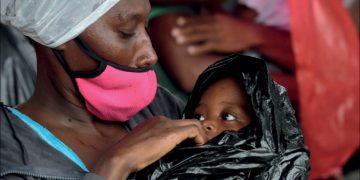
In this journal article published by The Lancet, IFPRI researchers discuss the COVID-19 pandemic's risks to the nutritional status and survival of young children in low- and middle-income countries.
Gender, crop diversification, and nutrition in Myanmar’s Dry Zone
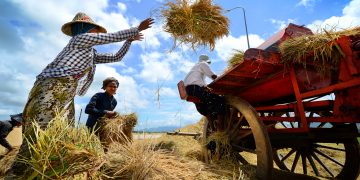
Agriculture is a potential pathway to improved nutrition, and the need for investments that boost agricultural production, keep prices low, and increase incomes is undisputable. In Myanmar, development agencies are aiming to meet this need by improving irrigation infrastructure and enhancing the agricultural productivity and incomes of farmers
Myanmar women and agriculture: Insights on measuring empowerment
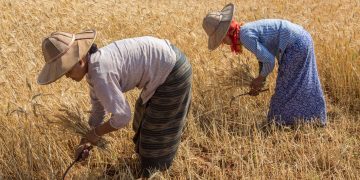
Women’s empowerment is high on the agenda of policymakers, non-governmental organizations, and other gender equality advocates. Yet, conceptualizing and measuring empowerment is a challenge. Thus, utilizing appropriate indicators is a necessary step when designing and evaluating policies and projects for women’s empowerment. Learn more here.
COVID-19 and business responses: How are Yangon’s poultry farmers adapting to the pandemic? (June)
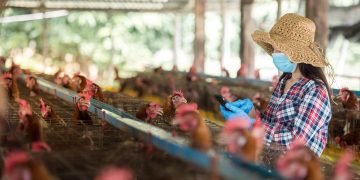
Although poultry demand is returning to normal, farms around Yangon are still facing challenges due to the COVID-19 pandemic. Learn more about our recommendations to help Myanmar poultry farmers adapt to COVID-19.
Crop trading during the pandemic: Lessons learned in Myanmar (May)
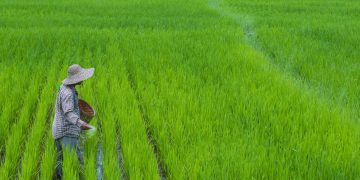
Crop traders link farms with food processors and exporters. However, the pandemic has disrupted their normal operations. What policies can improve business conditions for traders and mitigate COVID-19 effects for farmers and consumers?
- « Previous Page
- 1
- …
- 29
- 30
- 31
- 32
- 33
- 34
- Next Page »